
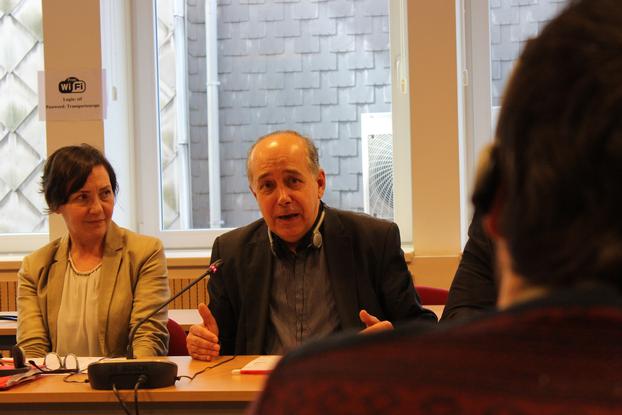
On 30 March, the ETF revealed at a press conference the measures the European Commission is currently evaluating with the view to include them in the upcoming Road Initiative, a legislative package supposed to be launched in only 2 months. The message of the ETF is clear: drivers cannot work or drive longer hours and rest for less without becoming a real and unwilling threat for their own safety, for the safety of their passengers, for the safety of other road users. ETF called the bundle of measures ‘a way to legalise social dumping’ and pointed out to the fact that the sector will become even less attractive for young people.
Despite two years of DG MOVE promises for a strong social pillar of the initiative, meant to address the critical social and labour situation in trucking and passenger sectors, the ETF has recently come across what is supposed to be the content of the initiative:
• reduction of the total weekly rest over a period of 3 or 4 consecutive weeks,
• the increase in driving time,
• denial of the drivers’ right to minimum wage for 5 to 9 days of work per month,
• the increase in the number of consecutive days of driving in passenger transport before the driver can take a full day of rest,
All these are attempts to weaken the quality of the driver’s job, the road safety and the safety of passengers.
Today ETF starts a two-month campaign for a social road initiative, to be published by the European Commission on 31 May.
The ETF affiliates have already started massive information campaigns among their members. In the weeks to come, they will have the opportunity to express their views before the European Commission via social media campaigns and physical actions. The peak of the campaign: the ETF European demonstration on 26 April, and the Week of action in passenger transport.
Next week, trade unions across Europe will meet in Warsaw to sign a declaration against attempts to legalise social dumping in road transport.